
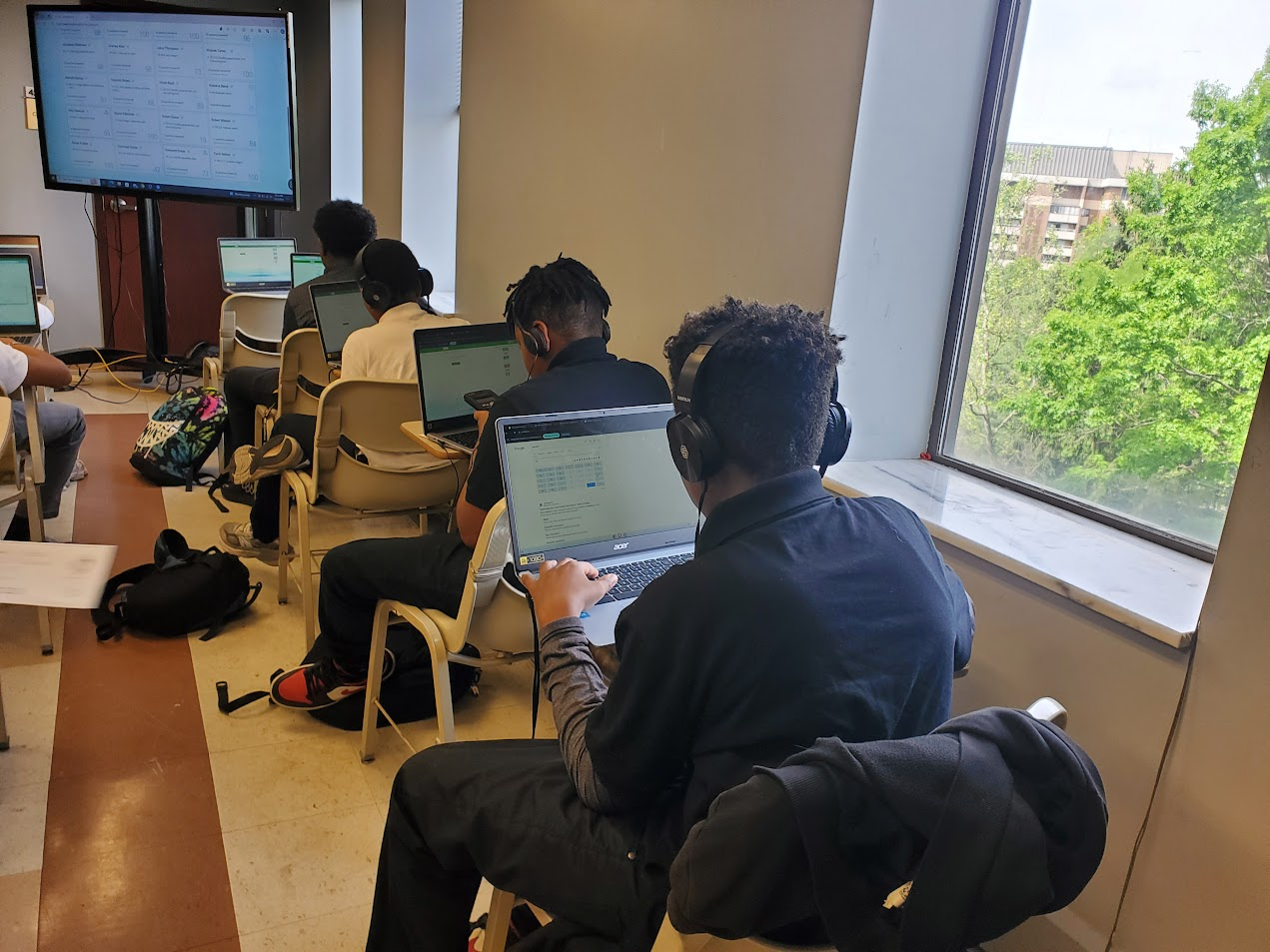
PLUS, part of the Learning Engineering Virtual Institute, is currently used in 13 schools in four states, reaching an estimated 2,800 students. Researchers have determined that students who use the platform improve their math skills and may even double their rate of math learning. Read about how one student ALSO overcame his math anxiety by using PLUS.

Unlocking AI’s Potential: How Educators Are Actively Engaging And Experimenting With New Technologies
I’ve had the opportunity to learn from and work with some amazing teachers over my career, first in the Obama White and then at Schmidt Futures. One of the things that almost all of them had was a deep curiosity and a love for life-long learning.
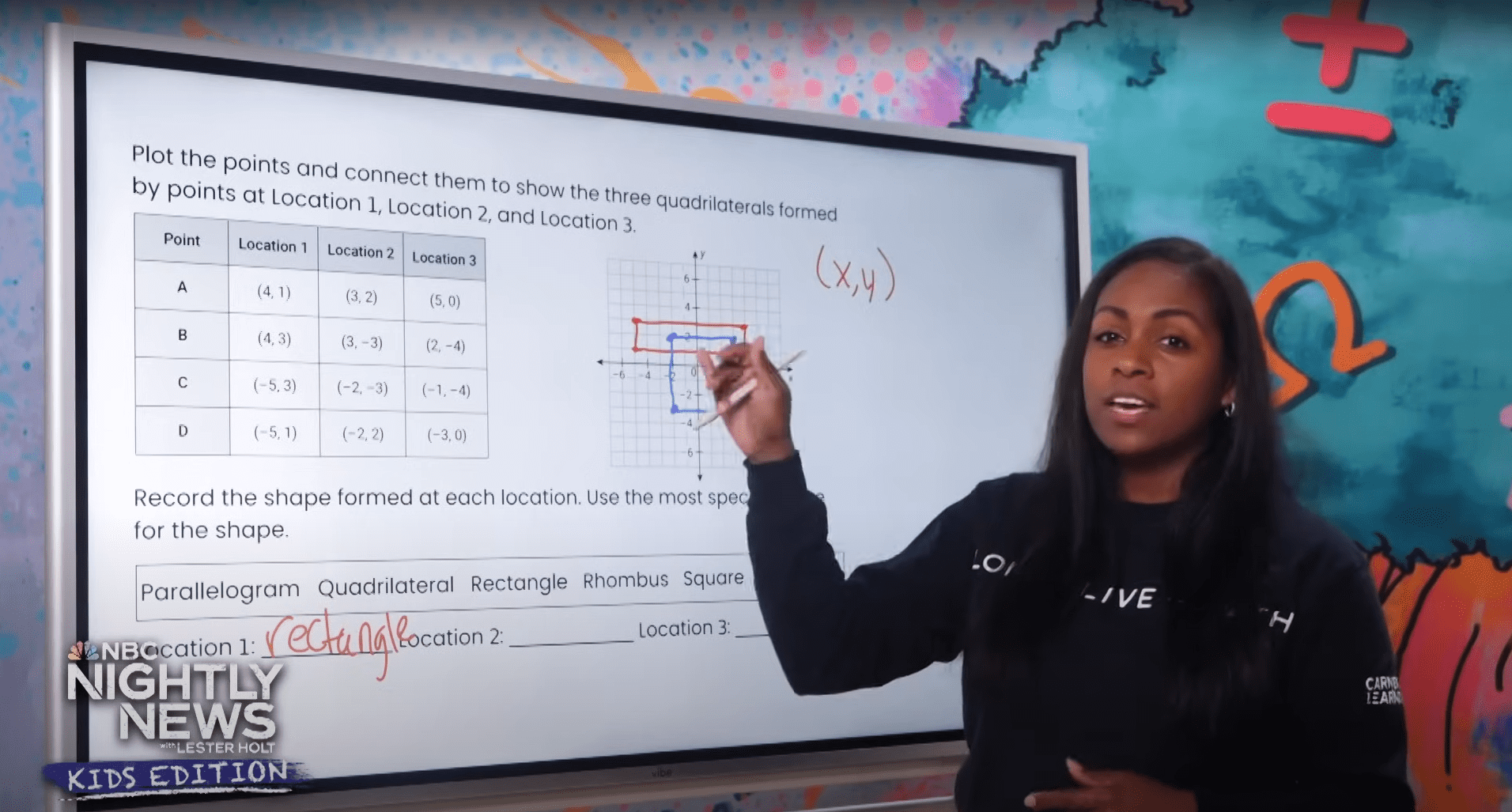
MATHstream Student: Mrs. Kelly Looks Like Me!
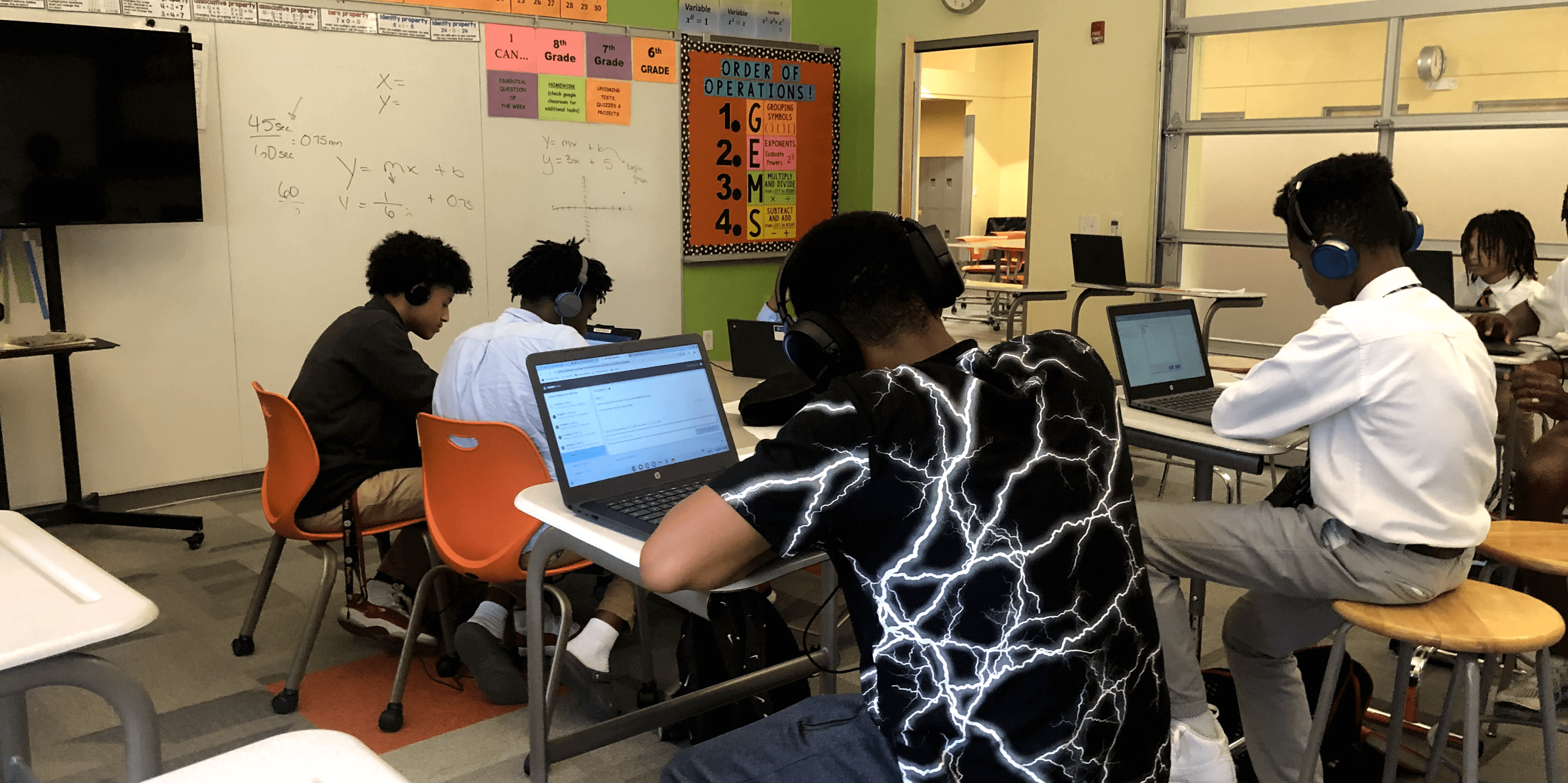
Carnegie Mellon University’s PLUS: Personalized Math Tutoring At Scale
By discussing the measured impact of PLUS, this case study demonstrates that instead of replacing tutors and teachers, generative AI can supplement them to excel at a large scale. Specifically, this piece features Maerah Mahmood, a sophomore at Carnegie Mellon University, as she navigated using PLUS while teaching virtually at a school in California. With the help of PLUS’ human tutoring framework and AI-powered dashboard, Mahmood dramatically increased student engagement and improved their performance in a short period. Mahmood’s experience is a testament to the power of PLUS, and its ability to identify struggling students and help teachers initiate academic interventions and personal connections.
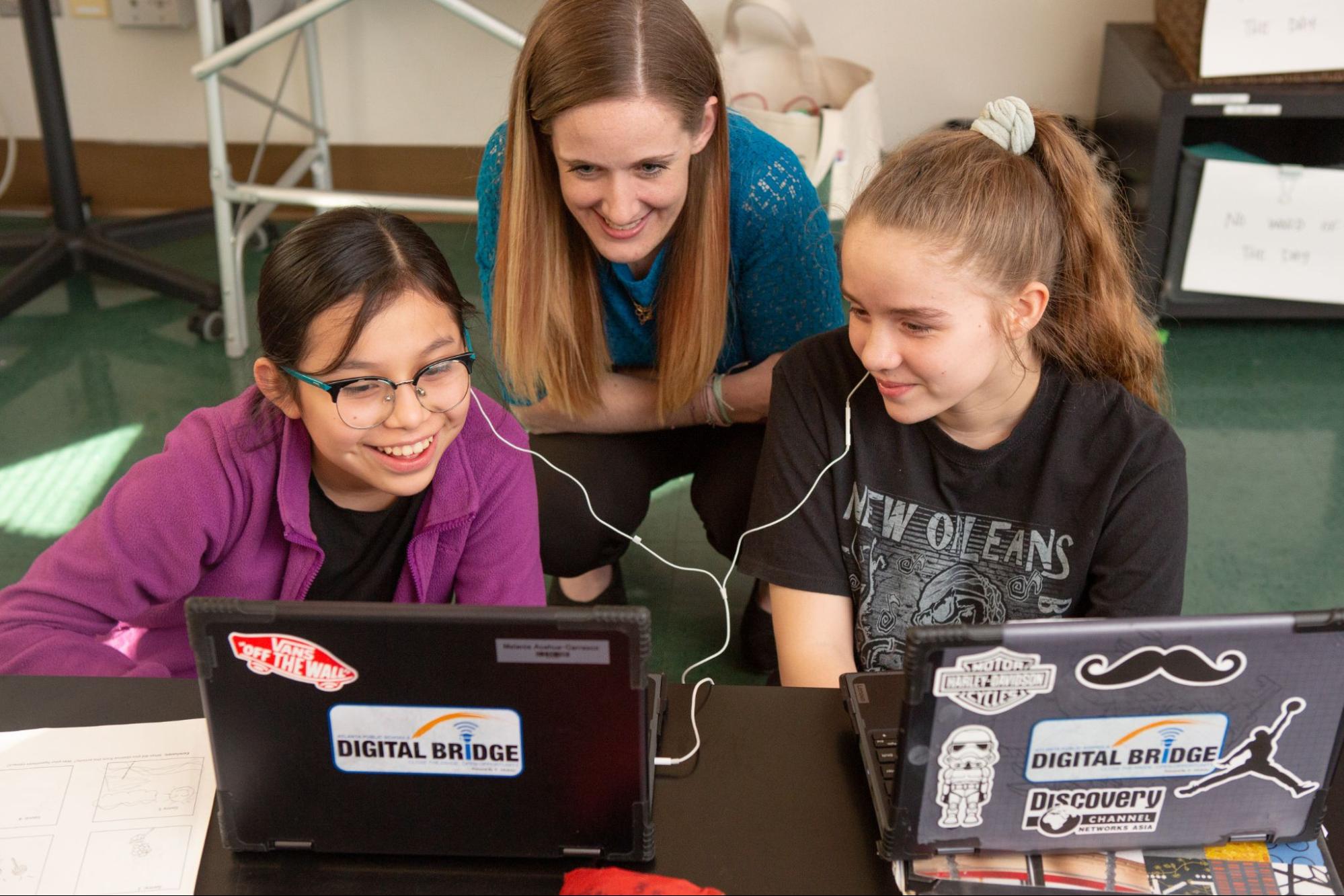
New LLMs For Math Education
The improvement of Large Language Models (LLMs) signifies great opportunities for enhancing AI-assisted math teaching and learning. Wanli and Neil’s teams have worked to accelerate the pre-training, fine-tuning, and evaluation of LLMs for math education. By leveraging the University of Florida’s supercomputer and Microsoft’s DeepSpeed while utilizing ASSISTments’ datasets, the teams came to important findings about LLMs – including how super-sized LLMs such as GPT-3.5 may not always be the best option for specific downstream tasks. Overall, the preliminary results showed an enhancement of multimodal LLM models in accurate scoring and alignment with teacher feedback.

Rising Academy’s Rori AI Chatbot: “It Has Built My Confidence”
Rising Academy’s Rori AI Chatbot: “It has built my confidence” Last spring, Victor Appiah, a school leader at Rising Academy – Omega in Ghana, introduced Rising Academies’ ‘Rori’ AI-powered chatbot to his third grade students. For many students, this was their first time using a smartphone, and the excitement has been palpable. “They’re loving it,” Appiah said.Rori operates via the low-bandwidth messaging app Whatsapp on a desktop or phone. “All you really need are a mobile internet connection and a $20 phone,” said Owen Henkel, lead researcher for Rori, explaining the founders’ eye toward accessibility.With the support of funding from the Learning Engineering Virtual Institute (LEVI), Rising Academies’ updated Rori chatbot has been used by over 40,000 students. By 2027, they estimate that more than one million students will be using Rori.The math-focused Chat bot gives different activities, prompting a hint when necessary. The second iteration of the bot includes photographs as well as text on screen. “If the kid gets off track… the chatbot is able to acknowledge and redirect,” Henkel said.“When I make a mistake, it makes me try again and again until I get a correct answer, or if I cannot, it will give me the answer and give me a different question,” said Christiano Menseh, a student at Rising Academy – Omega.“As a school leader Rori has been of great help,” Appiah explained. “It has opened my mind on how AI could be helpful to me as a school leader. It has built my confidence and helped my enrollment drive.”Like many educators, Appiah noted that it’s difficult to teach students who are at such different levels – with both technology and mathematics skills. One benefit of Rori is that it allows students to advance at their own pace, which means that the chatbot contributes to “equity in class” by helping students at different levels of achievement, Appiah said.In turn, he’s seen a boost in metrics of his students’ math performance. When the students took their baseline test, the average score was 73.85% – but the midline average jumped up to 81.88%, Appiah said.In fact, during the first year of LEVI, Rising Academies ran an experiment showing that students using Rori scored 11 percentage points higher in math than those not using Rori. As part of the study, the team compared results from students (N=1,000) equally split into a treatment and control group from 11 Rising Academies schools in Ghana.Beyond these promising early results, Appiah said parents in the community have welcomed the new technology and are pleased by their childrens’ success, too. “Parents are really excited because we’re in a computer age. [Information Technology] is what is ruling the world. When parents see [their children] solving questions on smartphones with Rori, a mass tutor, for free, where students are able to interact with the chatbots, parents are very happy about that,” Appiah said. “After the pilot, some parents acquired phones for kids to use at home so they could use Rori, and others made phones available to use Rori at home.”
Minimizing And Mitigating Bias With The Fairness Hub
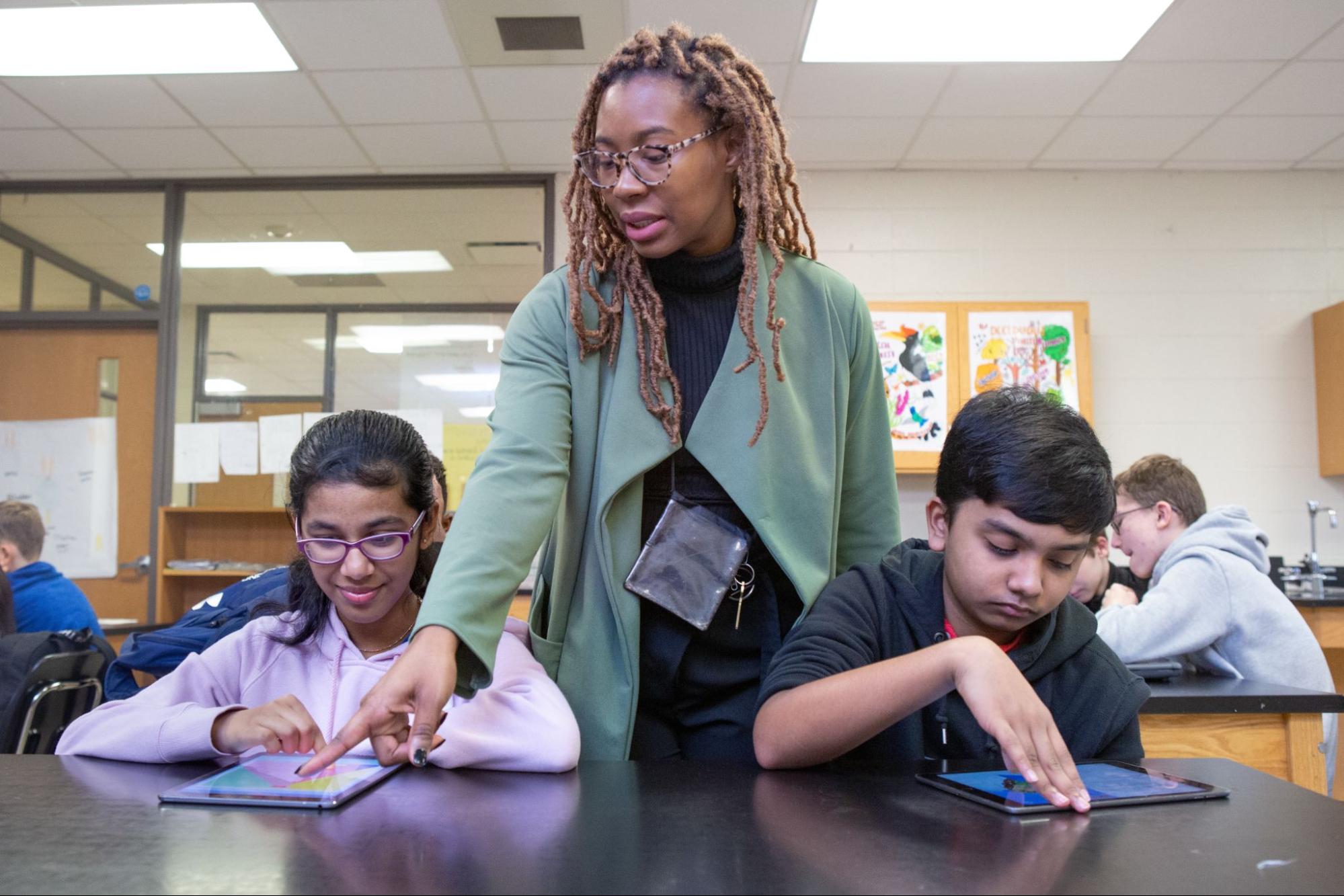
Because artificial intelligence or machine learning models are trained on data from different contexts, they are also susceptible to biases introduced through the selection and processing of datasets. Ensuring that learned models do not introduce or amplify systematic biases against underrepresented or historically marginalized groups is critical. This guide from the Fairness Hub serves as a starting point for more contextualized examinations of bias and fairness by providing (1) a simple metric for measuring bias, (2) an overview of bias mitigation strategies, (3) an overview of bias analysis and mitigation toolkits, and (4) a quick demonstration of how to measure and mitigate bias with the help of a toolkit.
Carnegie Learning’s MATHstream: Merging the Hottest Trends In Tech To Engage Math Students
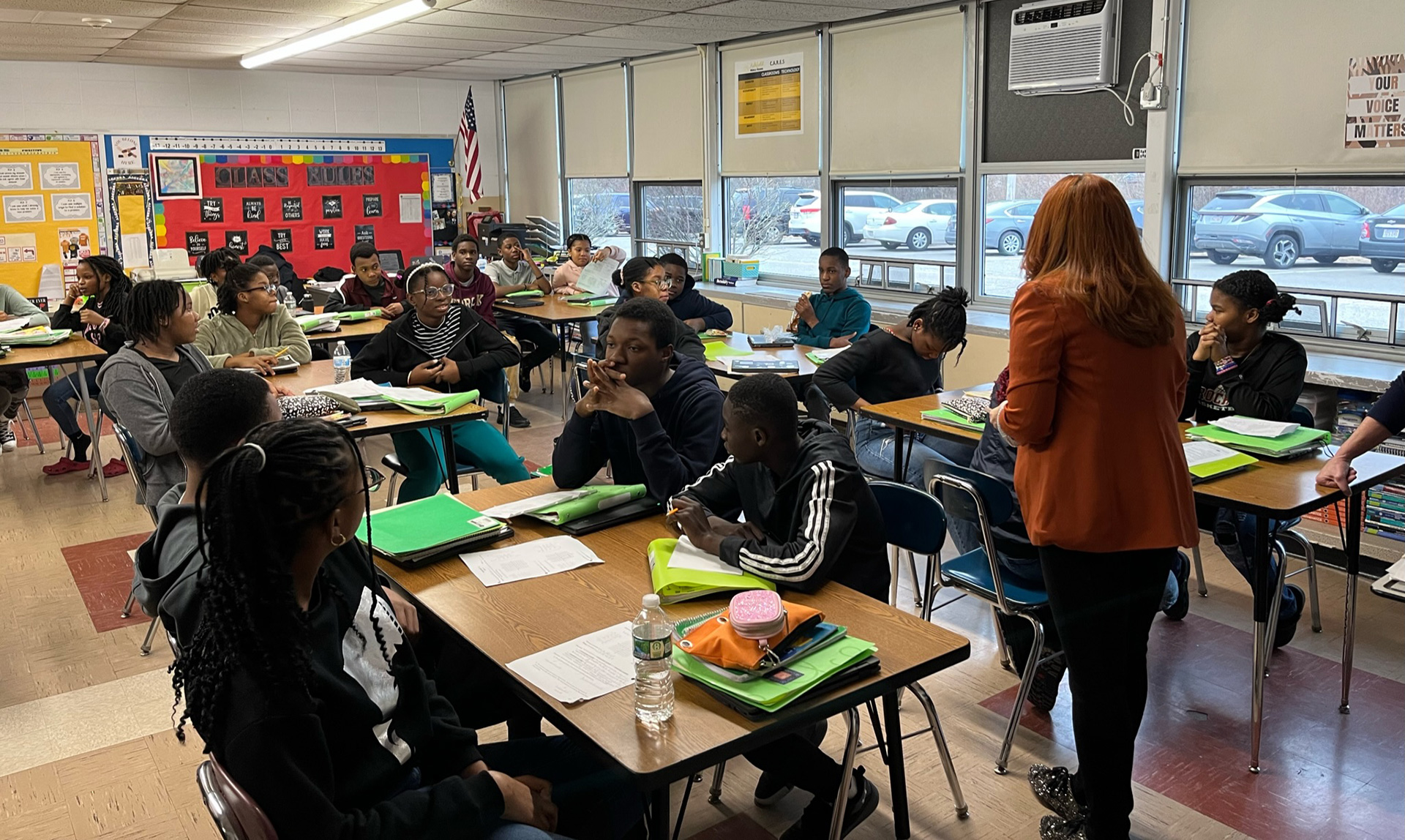
Born out of Carnegie Mellon University 25 years ago, Carnegie Learning has been on the cusp of cutting-edge educational technology for nearly a quarter-century, fine-tuning products to help students learn mathematics best via years of data analytics and software improvements.